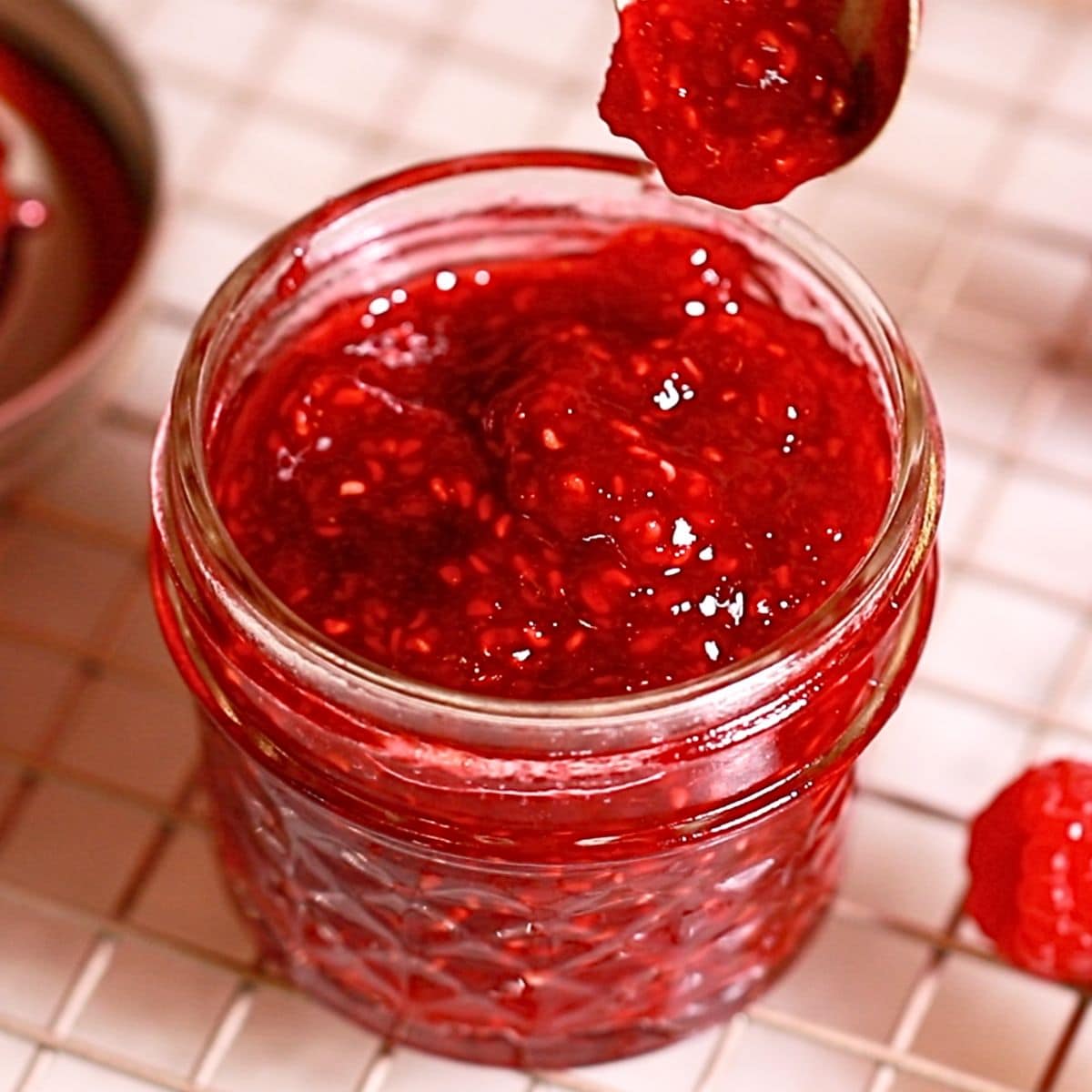
Imagine the vibrant burst of fresh raspberries, perfectly balanced with a hint of sweetness and tang, ready to elevate your morning toast, favorite dessert, or afternoon scone. Achieving this culinary delight might sound complex, but what if we told you it only requires three simple ingredients and no special equipment like pectin? That's right! Get ready to discover the ultimate easy homemade raspberry jam recipe that promises incredible flavor with minimal effort.
This recipe is a game-changer for anyone who loves the bright, authentic taste of fruit desserts and fillings. Forget store-bought versions laden with extra preservatives or artificial flavors. With just raspberries, sugar, and lemon juice, you can create a luscious, naturally set jam that will transform ordinary dishes into extraordinary treats. Whether you’re filling delicate macarons, swirling it into a cheesecake, layering it in a cake, or simply spreading it on a croissant, this versatile raspberry jam is guaranteed to impress.
Why Choose This Easy Homemade Raspberry Jam Recipe?
There are countless reasons to fall in love with this particular raspberry jam recipe, but its unparalleled simplicity and sensational flavor stand out. Unlike many traditional jam-making methods that require commercial pectin to achieve a thick consistency, this recipe leverages the natural gelling properties of fruit and sugar, coupled with a bit of cooking time. This means fewer ingredients to buy, a more straightforward process, and a jam that tastes purely of raspberries.
- Minimal Ingredients: You only need three staples: fresh or frozen raspberries, granulated sugar, and lemon juice. That’s it!
- Pectin-Free Approach: No need to worry about sourcing special jam sugar or pectin powder. The jam thickens naturally through reduction, resulting in a soft, spreadable consistency that melts in your mouth.
- Vibrant Flavor Profile: By omitting additional gelling agents, the true, bright, and slightly tart flavor of the raspberries shines through. It's an intense taste of summer in every spoonful.
- Incredible Versatility: This jam isn't just for toast. It's a fantastic filling for a myriad of desserts. Think light and airy raspberry macarons, rich raspberry cheesecakes, moist raspberry cupcakes, elegant eclairs, or even a simple swirl in yogurt or oatmeal. The natural tang acts as a perfect counterpoint to the sweetness of most desserts, creating a balanced and memorable experience.
- Quick & Easy: From start to finish, you can have a batch of this delicious jam ready in under an hour, making it perfect for last-minute dessert plans or a spontaneous kitchen project.
While some prefer a milder jam, we personally champion the version with lemon juice. Its subtle acidity not only aids in the natural setting process but also provides that delightful tang that makes raspberry jam so captivating. Often, what might seem overly tart when tasted on its own becomes the perfect complement when paired with a sweet cake or pastry.
The Magic Three Ingredients (And What to Know About Them)
The beauty of this easy homemade raspberry jam recipe lies in its reliance on quality, simple ingredients. Let's delve into each one to ensure you get the best results.
1. Raspberries: Fresh vs. Frozen
You have the flexibility to use either fresh or frozen raspberries. Both work beautifully, though there are slight differences to note.
- Fresh Raspberries: Often yield a brighter, more vibrant red color in the final jam. They may also cook down a little faster as they contain less ice. If you have access to a glut of fresh berries, perhaps from a farmer's market or your own garden, this is the perfect opportunity to capture their peak flavor.
- Frozen Raspberries: An excellent, convenient option available year-round. They are often picked at their prime and flash-frozen, locking in flavor and nutrients. When using frozen raspberries, you might find the jam cooks down to be slightly thicker at the same temperature, and the color can be a touch deeper. The key is to choose a high-quality brand without added sugars or preservatives. You don't need to thaw them before cooking; just add them directly to the saucepan.
No matter which you choose, ensure your raspberries are ripe and free from mold or significant blemishes for the best flavor.
2. Granulated Sugar
White granulated sugar is your go-to for this recipe. Its neutral flavor allows the pure taste of the raspberries to shine through, contributing to a straight, vibrant raspberry experience. Sugar plays a crucial role beyond just sweetness; it acts as a preservative and contributes significantly to the jam's final texture and set. While it might seem like a lot of sugar, it’s essential for the gelling process when pectin isn't used, and it balances the natural tartness of the raspberries. For more insights on achieving the perfect set without pectin, explore Make Raspberry Jam Without Pectin: Tips for a Perfect Set.
3. Lemon Juice
Lemon juice is the unsung hero of this recipe. Its acidity does several things:
- Enhances Flavor: It brightens and elevates the natural tartness of the raspberries, preventing the jam from tasting overly sweet and creating a more complex flavor profile.
- Aids in Thickening: The acid in lemon juice helps break down the fruit's cell walls and activates natural pectins present in raspberries, assisting in the setting process. This is particularly important when you're not adding commercial pectin.
If you genuinely prefer a very mild raspberry jam, you can omit the lemon juice. However, we highly recommend including it for that quintessential tangy kick that truly makes this jam versatile for various desserts. As mentioned before, that initial sourness mellows out beautifully within the context of a dessert, providing a delightful contrast.
Step-by-Step Guide to Your Perfect Raspberry Jam
Making this jam is incredibly straightforward. Follow these four simple steps, and you'll have a batch of delicious, vibrant raspberry jam in no time.
Step 1: Combine Your Ingredients
In a medium-sized, heavy-bottomed saucepan, combine your raspberries (fresh or frozen), granulated sugar, and lemon juice. A heavy-bottomed pan is crucial as it helps distribute heat evenly and prevents the jam from scorching at the bottom. Give everything a gentle stir to mix the ingredients. Don't worry if the mixture looks very liquid at this stage; it will thicken significantly during cooking.
Step 2: Gentle Heat and Initial Simmer
Place the saucepan over medium heat. As the mixture begins to warm, the sugar will dissolve, and the raspberries will release their juices. Stir occasionally to prevent sticking. Soon, you'll notice the mixture starting to bubble gently, and a layer of foam will appear on the surface. This foam is natural; it's just air trapped with fruit solids. While purely aesthetic, some prefer to skim off some of this foam with a spoon for a clearer-looking jam. However, it's not strictly necessary, as much of it will dissipate as the jam continues to cook and thicken.
Step 3: Thickening to Perfection
Once the jam reaches a rolling boil, reduce the heat to low or medium-low. This is the crucial stage where the magic happens. Let the mixture simmer, stirring frequently and scraping the bottom of the pan to prevent any sticking or burning. The goal here is to reduce the liquid content and concentrate the natural sugars, which in turn causes the jam to thicken. This process can take anywhere from 15 to 30 minutes, depending on your heat setting and the water content of your berries.
How do you know when it’s ready? The jam should thicken to a consistency similar to a pastry cream, or thick syrup. A reliable test is the "cold plate test": Place a small plate in the freezer before you start cooking. When you think the jam is ready, spoon a small amount onto the cold plate, let it cool for a minute, then push it with your finger. If it wrinkles and holds its shape, it's ready! If it's still too runny, continue to simmer and test again every few minutes.
Step 4: Cooling and Storage
Once your jam has reached the desired consistency, remove it from the heat. Carefully transfer the hot jam into sterilized jars. Leave a small headspace at the top. Seal the jars tightly. As the jam cools, it will continue to thicken. Allow it to cool completely at room temperature before storing it in the refrigerator. This homemade raspberry jam, without added pectin, is best kept in the refrigerator and typically lasts for 2-3 weeks, though it's so delicious it might not last that long!
Troubleshooting & Expert Tips for Jam Success
Even with an easy homemade raspberry jam recipe, a few common questions and concerns can arise. Here are some expert tips to ensure your jam-making experience is smooth and successful:
What if My Jam is Too Thick?
If you've cooked your jam a bit too long and it's turned out thicker than desired, don't despair! You can easily thin it out. Simply return the jam to a saucepan, add a tablespoon or two of water, and gently heat it, stirring until it reaches your preferred consistency. Remember, it will thicken slightly more as it cools.
What if My Jam is Too Loose?
This is a common concern when making jam without pectin. The primary solution is always to continue cooking. Keep simmering on low heat, stirring constantly, and perform the cold plate test periodically. Patience is key! The acid from the lemon juice and the sugar will eventually work their magic to help it set. While this recipe focuses on natural thickening, if you're in a pinch and need it to thicken faster, you could whisk a small amount of cornstarch (1-2 teaspoons mixed with a tablespoon of cold water) into the simmering jam, stirring constantly. However, be aware that cornstarch can slightly mute the vibrant raspberry flavor and create a different texture than a naturally reduced jam.
Can I Use Frozen Raspberries?
Absolutely, as discussed earlier! Frozen raspberries are a fantastic option, especially when fresh ones are out of season or expensive. Expect very similar results, though you might notice the jam becomes slightly thicker when cooked to the same temperature compared to fresh berries. Also, the color might be a touch deeper. Just add them straight from the freezer to the pot.
The Role of Foam: To Skim or Not to Skim?
When the jam starts to boil, foam will rise to the surface. This foam consists of air bubbles and some fruit solids. Skimming it off (especially towards the beginning of the cooking process) will result in a clearer, more aesthetically pleasing jam. However, it's perfectly fine to leave it; most of the foam often disappears as the jam thickens, and it doesn't affect the taste. It's purely a matter of preference for appearance.
Tips for Sterilizing Jars
While this recipe isn't designed for long-term shelf-stable canning, sterilizing your jars is still good practice for refrigerator storage. You can wash jars and lids in hot, soapy water, rinse them thoroughly, then place them in a preheated oven at 275°F (135°C) for 10-15 minutes. Alternatively, run them through a dishwasher on a hot cycle. Fill jars while they are still warm to prevent thermal shock.
Conclusion
Crafting your own batch of raspberry jam doesn't have to be an intimidating task. This easy homemade raspberry jam recipe proves that with just three simple ingredients and a little patience, you can create a truly exceptional preserve that bursts with fresh, tangy raspberry flavor. It's a wonderful way to capture the essence of summer fruit, elevate your everyday meals, and add a touch of gourmet sophistication to your homemade desserts. So, gather your ingredients, fire up the stove, and get ready to enjoy the rich rewards of homemade goodness!
